Four Hundredth Asic- #Michelle Obama for President!

DSC05260

Obviously, with the result of today’s election, it is clear that anyone can become the President of the United States of America. Or maybe I should write any MAN can…?

  • You do not need to be a skilled politician with long experience from neither domestic nor foreign affairs.
  • You do not even need to be nice to others in public.
  • It’s not a problem if you are sexist and/or racist.
  • You can harrass and threat, point your finger and yell and still become the President of the United States of America.
  • There is just one thing we need to stress: 

There is no need to apply if  you’re a woman! We prefer men!

Next time:  #Michelle Obama for President!


Three hundred and ninety-ninth asic- What happens the day after tomorrow?

#Himmel, #asaoleI wake up in Sweden in Europe, this morning the 9th of November 2016 and we are not yet sure who will be the President of the USA. I myself know for one thing that I am not quite as surprised as I am worried… I am worried from a global point of view! No matter what the Americans themselves put into their choice of a future president, we, the rest of the people have to deal with their choices, too… Negotiations in different global issues where efforts have been made for a better world for next generation will now be on standby for a while if Mr Trump wins the election. Some of them will be considered unnecessary to complete, where others will take a different direction. If that happens, it will be ”a giant step backwards for mankind”, so to speak.

What is even worse, is that some of the global accomplishments are demeaned by Mr Trump and his allies. For a better world, we all need a strong and supportive president of the USA who will guarantee the best not only for the Americans, but for all of us. It is not just an important election for YOU, the American people, but just as much for the rest of the world. To a large extent, WE are the People, too, although we haven’t had a chance to vote! What we have to do now, is actually better said in Swedish. Reluctantly one has to accept the situation the way it is, although surreal or not expected: ”Gilla läget!”

I know that the American Consitution has a built in system that prevents the President to receive too much power and that is a slight relief at this point in time. SO… Until we know the actual result of the election, I keep hoping that after all, every cloud has a silvery lining…


Trehundranittiosjunde åseriet- En vinterdag får jag energi att skida vidare…


_MG_0015abs.jpg (1035×703)

Jag tycker om snö… Jag är ett typiskt vinterbarn med födelsedag i februari. OM någon skulle be mig att välja min ”favoritdag” så skulle jag utan tvekan välja en härligt solig dag med minus sju grader eller mer i februari, för att få uppleva den gnistrande snön och de snöklädda granarna omkring mig. Då drar jag in luft genom näsan och riskerar att denna luft fryser till is redan på väg in. Jag ser mig om i den snöklädda skogen och ser hur några få snötäckta grangrenar vid min åsyn släpper ifrån sig några lätta puffar av så torr snö, att den glittrar i motljuset. På fötterna har jag pjäxor av en ÄLDRE modell och skidorna har stålkanter och skär lite bredare spår än vanliga snabbskidor, av Gunde Svans typ. Jag trivs när jag genomför en LÅNGSAM skidtur, en eftertankens skidtur med lugn och ro i en tyst natur där det är långt till trafik och långt till andra människor. Bilden i huvudet är sjön Trylännet i Stora Skedvi socken, längst bort på sjön, där jag är ensam, jag och skogen och den helt snöklädda isen, där en eldsjäl kört upp spåren med sin snöskoter för några dagar sedan.

IMG_5488.JPG-for-web-normal.jpg (320×214)

Turen tar jag ensam, medan barnen grillar korv med mormor och morfar. Jag genomför både en faktisk resa runt sjön och en mental resa i den vackra vinterdagens skönhet. Den som aldrig upplevt en sådan dag saknar något, något viktigt…Lugnet och tystnaden skapar förutsättningar för en alldeles speciell sinnesstämning, extra öppen på något sätt.

När jag åkte denna skidtur för något år sedan, så mötte jag en vän som åkt åt motsatt håll. Längst bort i viken sammanstrålade vi. Vännen och jag har sammanstrålat i andra sammanhang förut. Han är sedan länge en person jag verkligen högaktar och beundrar för hans generösa inställning till livet och nästan. Jag är nästan. Han ser alltid sin ”nästan” och det ger mig alltid och gav mig också denna gång, en inre frid. Bara genom sitt lyssnande sätt inger han mod, kraft, energi och hopp. Att möta honom mitt under skidturen var en lisa för själen och resten av turen runt sjön, när jag med jämna tag drog mig fram i skidspåret, ledde till att jag tänkte på livet och hur det kommit att bli för just mig. Ett möte. Ett möte med en människa… Jag har skrivit tidigare om möten, på ett generellt plan och då jämfört med dikten vars första rad inleds med ”om i ödslig skog ångest dig betog…”. Jag lever för de där mötena. Jag är så oerhört nyfiken på livet, på vad människor i min närhet har att berätta.

bland tänker jag att det är ett av många skäl till att jag valde att bli lärare. Jag möter ständigt nya människor, som visar mig vägen mot en större värld än den inskränkta värld vi alla kanske vistas i till vardags. Jag har förmånen att dagligen möta VÄRLDEN i mitt klassrum. Denna värld är mångfacetterad. Den är full av hopp, förtröstan, tro och livsgnista, men också samtidigt full av hopplöshet, sorg, ledsnad och brist på energi. I samma stund som jag möter en människa som GER, möter jag ofta en människa i stort behov av stöd, hopp, empati. Lärarrollen är på så sätt väldigt omväxlande.

Idag upplevde jag årets första snöfall. Det singlade ner små fjun av den snälla sorten. Jag tyckte nog att det var ganska mysigt och välkommet. Jag minns en gång när maken väckte mig när han kom hem från sitt nattskift på morgonkvisten. Det var i maj månad och vi hade under den senaste helgen ägnat tid åt att luckra upp jorden i ett trädgårdsland där vi skulle så frön. Nu påstod maken att det hade snöat en halvmeter och att jag behövde skynda mig upp för att hjälpa honom att skotta, eftersom vår bil stod på en större väg ett kvarter bort. Jag trodde att han skojade med mig, men det visade sig att vi hade fått ungefär en halvmeter snö denna majdag. När jag drog upp rullgardinen och tittade ut över balkongens snötäcke i morgonljuset insåg jag för första gången vilket snöhål Grängesberg var.

När jag anlände till Smedjebacken där jag jobbade då, blev jag ifrågasatt och många tyckte att det verkade mycket osannolikt att man skulle kunna ha fått så mycket som en halvmeter snö  i maj. Jag fick medhåll av en person som kom åkande genom snön från Saxdalen. Där hade man också snö denna morgon och hon förstod att det borde vara mer snö i Grängesberg än i Saxdalen. Nästa morgon fick jag uppleva triumfens ögonblick, då vi i lokaltidningen kunde läsa om en person som bodde några kvarter från mitt hus och som uppmätt 68cm snö på sin tomt. Min halvmeter var alltså inte någon överdrift.

Så länge man har rätt utrustning och lämpliga kläder, så är vintern verkligen en härlig tid. Jag ser fram emot den vita årstiden och hoppas att vi snart har passerat november med dess mörka kvällar och snöfria svarta vägar. Solen ser man knappt och regnet hänger som en hjälm över nejden. Med mycket fantasi kan man ändå hitta en ljuspunkt i mörkret. För min del är den inomhus. November är min ”jag tänder ett ljus och läser en bra bok”-månad. Det finns mycket gott te att dricka också! 😀

Stearinljus.bmp (400×300)
//

//

Trehundranittiosjätte åseriet- Färgglatt, prassligt och väldoftande…Höstens prydnader!

yellow-maple-leaves-1352716217xTr

Först tog jag säkert ett väldigt litet…ett gult, för de är så vackra. Men sedan kan jag gissa att jag tog ett melerat som skiftade mellan gult, orange och rött och där bladnerverna framträdde tydligt. Men sedan sträckte jag mig säkerligen efter det största på just den platsen, för att sedan hitta ett som var en blandning mellan grönt och gult. Oavsett hur många jag plockade, så blev det först en jättebukett, för jag plockade med höger hand och höll dem i bladfästet, samlade ihop dem så att de låg rygg mot mage eller baksida mot framsida om man så vill. Det var ändå så att när den lilla handen var full, så fanns det fler och fler som kvalade in som MINST lika vackra som dem jag redan hade i handen. Vad göra? Gå hem och hämta en kasse! Ta två kassar, sa mamma. Sagt och gjort… Jag gissar att mamma skojade med mig och tänkte att TVÅ kassar kan man ju rimligtvis inte fylla med lönnlöv, för vad ska man egentligen HA dem till? Men hon hade fel… Jag fyllde dem med lönnlöv. Inte vilka lönnlöv som helst, om nu någon tror det! Naturligtvis endast de vackraste. Det var många lönnlöv som inte alls platsade i min samling. Trasiga löv eller de som inte hade vackra färgkombinationer och de löv som hade angripits av något insektsbett eller som var deformerade på något annat sätt. Denna utsortering reflekterade jag inte över då, men jag gör det nu när jag skriver. Vänligast och mest juste hade ju varit att plocka exakt alla lönnlöv, eller ännu bättre, vara snäll och låta alla lönnlöv ligga kvar… Platsen där jag plockade dem som sjuåring, var en gammal väg, som löpte från Bondgården ovanför Nackdala och ner mot det stora fältet där de mycket senare byggde det gröna kommunalhuset och Tumba sjukhus. Jättehögt ovanför mig fanns Getingberget. Det har jag skrivit om tidigare i #Tjugoåttonde åseriet. Det är ett enormt högt berg, som Mount Everest ungefär… När man gick ända upp dit, så såg man hela världen. Ja faktiskt!! I alla fall så såg man hela den del av vår värld som på den tiden utgjorde MIN värld. Tumba.

En enda gång har jag åkt på den väg som nu går rakt igenom allmänningen som jag behövde korsa för att komma till lönnallén. Jag hann inte ta in alla intryck!! Borta var lönnarna, borta var skogen och friden som funnits där förut. Och på Mount Everest hade de byggt bostäder!! Då kan ju inte barn gå upp dit och titta på utsikten!

Lönnlöven som jag bar hem, hade en säregen doft som jag kan frammana i näsan på beställning. Alla som någon gång plockat lönnlöv känner igen den…doften. Lönnlöv är dessutom inte alls tysta om nu någon inbillar sig det. När de är ETT OCH ETT, så kan jag kanske hålla med om att det inte är så högljudda precis, men om man går igenom drivor och stora mängder av lönnlöv, som just fallit eller som legat i några dagar, så rasslar och prasslar det på ett alldeles speciellt sätt. Som barn lekte jag oftast med ett syskonpar som red på en ridskola på andra sidan den ogenomträngliga skogen, jättelångt bort, säkert flera kilometer. Jag var med dit en gång och vi tre, jag och systrarna, satt i deras SAAB herrgårdsvagn, vackert brun till färgen, och hade utsikt bakåt. Alla i bilen bakom tyckte säkert att vi borde avstå från att vinka, medan vi ansåg att de som åkte i bilen bakom bara måste vara blinda, eftersom de så totalt ignorerade oss! I ridhuset i Skrävsta fick jag upp ett visst litet intresse för hästar, men det sträckte sig inte så långt att jag tjatade på allvar om att få börja rida. Däremot tyckte jag om att leka häst  och springa tillsammans med systrarna i den där lönnallén just när löven fallit. Idén med att springa där var att man INTE skulle lyfta på hovarna (hästar har faktiskt hovar!) så mycket när man travade, för då prasslade det som mest i löven och det var LJUDET man ville åt.

Jag tror att min samling av lönnlöv var mitt sätt att ta med mig leken inomhus, men jag minns att jag även hade planer på att göra oerhört komplicerade och dyra tavlor av lönnlöven som jag sedan kunde sälja och köpa en häst för. Hästen tyckte jag att vi kunde ha i garaget. Men mina föräldrar menade att då skulle ju inte bilen få plats! Jag hade dock en ganska smart (tyckte jag!) lösning på det problemet. Först lägger man in väldigt mycket hö längst in i garaget och sedan ställer man in hästen. När hästen redan är på plats, DÅ ställer man in bilen. Det GÅR inte! sa mina föräldrar. Tänk vad vuxna har svårt att förstå hur man menar!!! Jag menar, hur svårt kan det vara???

Lönnlöven, som jag skulle göra mina tavlor av, kom lite i skymundan i mitt rum och efter några dagar undrade mamma och pappa om jag inte skulle slänga alla löv ändå, men jag ville inte. Det var ju min samling! Jag hade faktiskt börjat samla på lönnlöv och man slänger ju inte en samling, eller hur? Föräldrarna gav med sig för den gången, men efter någon dag, så spreds en väldigt trist odör från kassarna… inte alls så där härligt som det hade luktat i skogen! Jag försökte rädda några extra fina löv, men det visade sig att alla löven hade möglat… Jag blev tvungen att ge upp samlandet och försöka hitta någonting annat att samla på…

Varje höst när jag går i prasslande lönnlöv minns jag min barndoms lönnlövssamling och det ljud löven frambringar när man leker häst och springer genom löven!

The three hundred and ninetieth åsic- My New Favourite Tree

A recycled blogpost from my visit in Pitman New Jersey 2014!Quercus_rubra_1.jpg (582×671)

For a couple of weeks I have had the opportunity to experience a very mild and nice autumn here in Pitman, NJ. One of the days we had +28C which is not at all like the temperature for October in Sweden. In my 71st åsic(#Sjuttioförsta åseriet), I wrote about the maples in Sweden and how I used to collect the colourful leaves in the autumn. I have always loved trees and since I live in a part of Sweden where forests are a part of the nice scenery, I always find a walk in the forest very soothing if I need to relax or find new energy. I have walked along nice streets here in Pitman, where mainly tall maples and oaks give gardens their share of fallen leaves. One kind of the tree was unfamiliar to me, but I could tell from what it looked like that it had to be a maple or an oak, so I picked up a leaf and brought it with me to #Pitman Middle School, where I asked everyone I met: ”Is this a maple or an oak?”. Most people said: ”I don’t know but I think it is…” and then two people very quickly said: ”It’s an oak, no doubt!” Now I KNOW it is an oak, since I have done what most people do nowadays… I googled it… It turned out to be a red oak.

The fallen red oak leaves has the same SOUND as the fallen Swedish maple leaves when you walk through them… The other day I took a shortcut home and ended up very far away from home in an empty yard…learning that just as ”genvägar är senvägar” , shortcuts tend to be longcuts…

One good thing by taking the ”shortcut” was that I had to walk on a narrow path in a little forest, passing a railroad to get back home. The fallen leaves in a thick layer sounded like the maple leaves from my childhood and around me both squirrels and chipmunks ran about. I knew I was very close to houses, but the trees and animals made me fly away in thoughts for a while. The beauty of coloured leaves is still the same, no matter where I am. It gives me a feeling of gratefulness to see all the colours, hear the dry sound of the leaves as I walk through them. The sunrays hardly pass through to the ground and there are merely dark soil and old leaves for the squirrels to run about in. In its lack of colours, the ground already seems ready to meet the winter. In my lack of inner compass, I also seemed ready to meet the winter… Luckily I made a correct guess and soon found my way back to Broadway again…

The three hundred and eighty-eighth åsic- Kids vs Adults, a comparison shows that FAQ are very different

A recycled blogpost from my visit in Pitman New Jersey 2014!

fragor.jpg (470×200)


Today I visited a few new classrooms where I haven’t been before. It was very interesting to again note that kids and adults do not ask the same kind of questions. Generally speaking I would say that kids like to know, for real, what it might be like to live in Sweden. They ask personal questions formed from their own point of view and seem happy to get an answer.

Some adults may have a real interest, too, BUT the interesting thing is that they tend to repeat each others questions. Check what adults have asked me the last week:

  1. Are you Irish?
  2. Is this your first time in the US?
  3. For how long will you be here?
  4. Have you visited other states in the USA?
  5. When does school start in Sweden?
  6. How many school days are there?
  7. What subjects do you teach?
  8. How many students are there in each class?
  9. What kind of grades do you use in Sweden?
  10. What American singer would be THE most famous, Elvis or Michael Jackson?

There have been a FEW more questions, but the above questions have tended to come back. Now look at the questions kids have asked:

  1. Do you celebrate Halloween?
  2. What cellphones brands do you have in Sweden?
  3. What clothes do you wear in Sweden?
  4. How far from China is Sweden?
  5. What does the Swedish national anthem sound like?
  6. What do the houses look like in Sweden?
  7. How old are your daughters?
  8. What music do you listen to in Sweden?
  9. What famous Americans are popular in Sweden?
  10. Are there IKEA:s all over Sweden?
  11. What sports do you do in Sweden?
  12. Do you eat the same food as we do?
  13. What kind of farms are there in Sweden?
  14. What do you grow in Sweden?
  15. What does the trees look like in Sweden?
  16. Does The Swedish House Mafia really come from Sweden?

Kids tend to want to know about things out of school more than the teachers do.Teachers tend to ask about school related topics. I find that most interesting. Another thing I find interesting is the way no lesson where I have been involved has been at all like the other. I have asked the kids what they wanted to know and that has lead to lessons that differed very much from each other. Being in a situation where I can choose what to share or not from what the students like to know, has thus been just like I prefer to work, i.e in a group oriented manner. I will miss this school and all the kids next week when I go home. They are all very open and welcoming and I have a great time learning more about this NJ school.

The three hundred and eightyseventh åsic- A light in the dark

#asaole, asa-och-zombie-i-smithsville

A recycled blogpost from my visit in Pitman New Jersey 2014!

Today I have had a wonderful day with my friends in Smithville. I had lots of time to marvel over the celebration of Halloween, that in a way already started with a planned ”Zombie Parade” that would take place this evening. People were dressed out as zombies and it was very interesting to note that there was no difference in age. Old or young didn’t seem to matter…

I am brought up with the thought of All Saints Day as a serious day when one go to the graveyard and put candles there to show respect for the dead. I have also many years sang in church in different choirs. The music was always very religious and filled with sorrow. Last year my daughters and I took a late walk to the graveyard when it was pitch dark outside. The darkness and the many nice lanterns made our walk exciting and solemn at the same time as it was creating a bonding that served as a platform for deep thoughts about life. We shared our viewpoints of what will happen after death and also what people we missed most of all when they had passed away. The moment in the graveyard was very far from my experience today.

I can’t wait to see what Friday will bring. Then I’m told that many kids in the neighbourhood will come to ask ”Trick or Treat”. I’m excited about it, but at the same time surprised at the fact that the Americans seem to go ”all in” for their celebration of Halloween. I met some of the ”walking dead” today and this couple made an impact on me, since they were no ten-year-olds. Scary!

DSC_0080


The three hundred and eighty-fourth åsic- Fika as an ice-breaker is never wrong!

A recycled blogpost from my visit in Pitman New Jersey 2014! 

There are many times I have marvelled over the word fika and how it doesn’t seem to have any translation in many other languages. Today was another of those times! 

This morning at the ”Sweden Day” at the school I visit I shared the concept of FIKA and explained what it is to the members of the staff. I was surprised that so many seemed to like the idea of FIKA and that made me think of a completely different situation some years ago. I talked to an American woman, who was married to a Swedish man.

This woman had learned by being in Sweden what fika was, and her idea of it was pretty much like the one I wrote on the whiteboard today (which I share above). As we talked we realized that the two of us had talked to Americans about the concept of fika, but in different parts of the country. I have only met people on the East Coast and she had just talked to people in California about it. Both her friends and mine had to some extent started to USE the word fika in the American English. What I now hope for, is for both the actual WORD and also the CONCEPT to spread across the continent. That would be amazing!

One of the teachers who had fika with me this morning, came back to the classroom after a while and asked me how to use the word in a sentence if he wanted to invite someone for a fika. So now, let’s spread it! There are different ways to invite, depending of the situation, but in English you can say like this if you like:

  • Do you want some fika?
  • How about some fika?
  • Are you up to some fika?

Fika can mean just a cup of coffee or tea, or it can mean coffee+ a sandwich, or it can mean coffee+a bun, or it can mean, coffee+ bun+ cake+cookies+ tårta, which is a Swedish kind of cake with no frosting/icing, but more likely whipped cream. The funny part is that fika also can mean ALL of the mentioned categories… There are really SO many different connections to the word in Swedish that it is very difficult to explain. Instead it is necessary to see the phenomenon as something ELSE, but ”having coffee”. It is a chance to SHARE with friends. What do we share then? It is not just the COFFEE, but thoughts, ideas, gossip, memories, jokes… Having a fika with someone is paying attention to that person, having a good time together with someone for a while. That is why I want the word to spread… So please, help me ”spread the word”… 😀

TILL MINA ELEVER är här en liten ”språkruta”:

Ska vi ta en fika? Hänger du med och fikar? Kom så fikar vi! Nu skulle det sitta fint med en fika! En slät kopp (= kaffe utan något fikabröd till) fika räcker! Vi ses på fiket! Vi hinner kanske med en språngfika om vi skyndar oss? Jag har fikarast mellan nio och tio varje morgon. Men jag brukar kvällsfika vid TV:n också. Stina kör långtradare och hinner inte med så långa raster, men ibland stannar hon på ett långtradarfik. 


The three hundred and eighty-second åsic- Second Day in an American Teacher’s Hectic World

Everybody likes Pitman, #asaole

A recycled blogpost from my visit in Pitman New Jersey 2014!

At home I don’t teach English, but Swedish as a Second Language. This evening I had the great opportunity to visit an adult learner’s group in Spanish at a College not far from where I am. The students were all taking lessons in Spanish, but volunteered to talk to me about what the conditions are for adult learners at this level in the school system. I found our conversation most interesting and will share their viewpoint with both my students and my teaching friend at basic level of English.

Earlier today I first met with a few children with special needs. I shared with them a few thoughts on what it is like to live in a country where we have monopoly money and a” fairy-tale-like” reality with a king…

I also had a chance to contribute with Swedish words in grade six while they were taking a Spanish lesson about furniture in different rooms of a house. Then I discussed with a group of eightgraders why so many Swedes left Sweden a hundred years ago.

I then had a nice and long chat with one of the teachers who has been a resident of Pitman almost all her life, apart from a short period down south. She told me all there is to know about the little town and I was happy to learn all that first hand, rather than read about it.

On Friday a few of the teachers have planned for a Sweden day, where the students will be getting a whole lot of information about Sweden, but also try some typical Swedish activities. I will contribute with a slideshow about Sweden and explain why the Dala horse is a symbol for  Sweden. The collaboration with an art teacher at this school also led to an idea where we let the kids know a little about how one can paint a typical ”kurbits”.

Tomorrow we’re off to Atlantic City, my teaching friend and I. We will study ESL as the NJ authorities wants it to be. I look forward to that very much. I don’t need anyone to rock my cradle! I am exhausted, but I’m having so much fun! Teaching is my life! ❤

Three Hundred and Seventy-Ninth Asic – Nobel Prize in literature 2016, Part 1

What Makes a Good Book Good Enough?

That is one of the things that keeps me busy when I start reading any book whatsoever… Like many other students I was forced to read several books by Nobel Prize winners in school as a teenager, and I guess my teachers picked the novels for different reasons… One of the authors I started to like by reading in school was John Steinbeck. I was thrilled by the way Steinbeck built up his characters in ”Of Mice and Men” and how the story developed.  From a few hints on how George and Lennie had to move on again, after something terrible had happened, I realized I was already thinking; What had happened? As a young reader of a classic novel I was thrilled enough to keep reading until the very last page… I also read ”The Pearl” with great interest and without any effort, but for a novel like ”The Grapes of Wrath” it takes 455 pages before you know the end of the story. As a young reader, I did not meet that challenge, but this summer, during a vaction in California, ”The Grapes of Wrath” was my perfect companion. I drove past the road sign with ”Salinas” and I went to Monterey and the Monterey Bay Aquarium where a section in the Museum describes John Steinbeck’s writing and I was happy to know that in my car, the book was waiting for me to turn the next page and the next…

Nobelpris_medalj

John Steinbeck received the Nobel Prize in 1962,

”for his realistic and imaginative writings, combining as they do sympathetic humour and keen social perception”

To me as a Swedish reader, both when I was young and now, I  must say Steinbeck really made a difference. I can see his deep engagement concerning important issues in society and although ”The Grapes of Wrath” was written in 1938 and first published in 1939, the content is extremely important also in 2016. In Europe where I live, migration is an every day topic, since many thousands of people are on the move between different countries. Some end up in camps or in asylum seeking procedures where bureaucratic systems cannot handle the massive number of applications quickly enough. Migrants today, face the same kind of ignorance and racism as the Okies (people from Oklahoma, moving to California) in Steinbeck’s novel. Migrants both now and then, left for the thought of a better future, filled with hope, but also fear. Their plans may be delayed or sometimes changed, and for a few the plans and hopes may never be fulfilled, due to accidents or other problems along the way.

Describing the process of change in a person’s life, like Steinbeck does in ”The Grapes of Wrath”, is a delicate matter, since it is walking on a thin line between being true or being pathetic. Neither can you exaggerate too much nor be too shallow. When the story begins we meet the American state Oklahoma when the weather conditions have been very poor for a long time. Draught and winds have left the land destroyed and every corn field has a layer of dust that makes the corn worthless. The protagonist Tom Joad, is an ex-convict from Mac Alester, where he sat four years for homicide. Now he is out on parole. Tom Joad comes back home in company with an old friend of the family, Jim Casy. In order to find job and better opportunities the Joads decide to leave Oklahoma for California. During the long trip from Sallisaw, Oklahoma to California both Grandpa and Grandma die. Tom’s brother Noah, and his sister’s boyfriend Connie leave the family for different reasons, but the rest of the family stick together. Ma and Pa, Tom and his brother Al, their sister Rosasharn who is pregnant and the younger children Ruthie and Windfield all come to California after a very tough trip through several states, over mountains and finally through the desert.

The novel very closely describes the extremely poor conditions for migrant workers in California in the thirties. Racism, cruelty and violence together with greed seems to be the rule and being from Oklahoma, means being an Okie, which is a stigmatised group at the time. No matter how hard they work, they seem to face very little understanding and empathy from the Californians. The Joads and the other Okies move from one workplace to the other and get less paid for each time they move, so it seems. For several reasons Tom gets in trouble again.
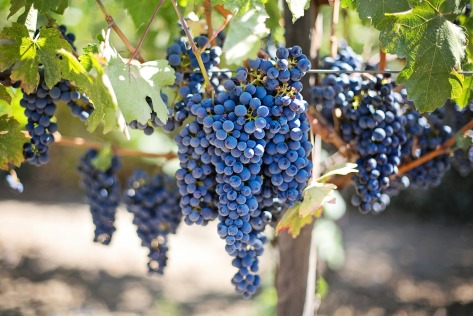
vindruvor

Throughout the novel, Steinbeck give descriptions of the surrounding landscape and certain topics of interest. One of the chapters is like a dialogue between a car salesman and an Okie buyer and written with humor, although the underlying message is that many poor Okies were fooled by the car dealers, selling off good cattle or mules in trade for a jalopy. Another such chapter is a very nice description of a few instruments, the harmonica, the guitar and the fiddle and how they blend in together for the coming dance evening, when a certain piece of music is played. That is also where ”Swedes up in Dakota” (p 342) are mentioned, which is fun to read for me as Swedish.

But apart from these humorous chapters, there are also some very critical topics, as when Steinbeck describes how land owners had too much fruit and too much potatoes, too many pigs and instead of giving the food to the extremely poor workers, they poisoned the potatoes, drowned the pigs and drenched the fruit in kerosene, only for the pleasure of not giving it to the starving workers. That is when ”The Grapes of Wrath”(p 349) is uttered…

For a period of time, the Joads live in the Weedpatch camp, which is a state camp. For the first time in their lives, Ruthie and Windfield see toilets. The workers are all involved in taking care of the camp together, making sure it is kept clean. Here the Joads meet other people they can trust and make friends with and for a moment the reader is fooled to think this book has a happy ending…

I highly recommend ”The Grapes of Wrath” if you would like to get a glimpse of migrant life from the inside. The novel reveal several complex issues and through the Joads and their discussions throughout the novel, you and I get a chance to consider those issues, too. With the coming election in the USA, the voters can decide whether there will be harder times or not for migrant workers from abroad, picking fruit and cotton in California for the benefit of American producers. Some of the migrants came there just like the Joads, with the hope of a better future. Some of the current Californians are likely to be decendants from Okies who came in the thirties.

Let us read books like ”The Grapes of Wrath” and never forget what made us the ones we are today.
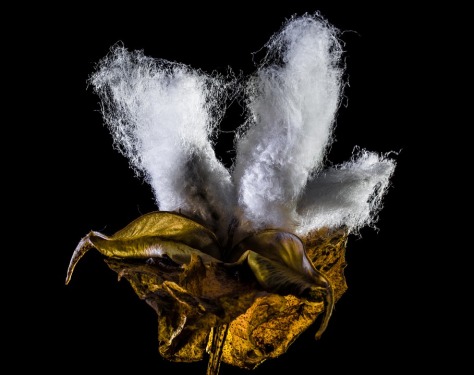
cotton-capsule