Tvåhundraåttioåttonde åseriet- Musikupplägg att samtala om Del 8: Avslutande kommentar till blogginlägg om musik i undervisningen

Spring MelodyI många avseenden är läraryrket fritt på ett sätt som jag alltid har uppskattat. Man har ett stort antal kursplanemål att förhålla sig till, men friheten i upplägget är lämnat till läraren. Ofta har jag därför valt att komplettera andra uttrycksmedel med musikupplevelser, eftersom det finns så många fördelar med det. Undervisningsämnet i mitt fall är SVA, svenska som andraspråk. Mina elever är vuxna, men det kunde lika gärna vara ungdomar i högstadiet eller gymnasieskolan. Genom ett antal blogginlägg har jag visat hur jag kopplar innehållet i kursplanen för ämnet svenska som andraspråk till musikupplevelser. I #Tvåhundraåttioförsta åseriet kunde du se hur man kan använda musik för att jobba med ord och uttryck med temat VATTEN, i det #Tvåhundraåttioandra åseriet var temat ARBETE OCH VILA, i det #Tvåhundraåttiotredje åseriet var temat SLÄKTSKAP  i det #Tvåhundraåttiofjärde åseriet var temat TVÅSAMHET och i det#Tvåhundraåttiofemte åseriet var temat #KRIG OCH FRED, SVERIGE OCH GUD VET ALLT. Det #Tvåhundraåttiosjätte åseriet satte naturen i fokus i #NATUREN, NATURLIGTVIS! Slutligen kom ett humoristiskt upplägg med fokus på#DANSKAVALJERER VI MINNS. Nu är det dags att knyta ihop säcken!

När jag väljer material för mina elever försöker jag hitta sådant som de kan ha nytta av på olika sätt när de pratar med sina vänner.  Därför är musik något jag självklart plockar in i min undervisning. Mycket av det innehåll som förut var otillgängligt för gemene man, är nu endast ett knapptryck bort och vi kan enkelt konsumera till exempel musik utan att först uppsöka en musikaffär och köpa noter eller inspelningar. Därför har jag tagit tillfället i akt att djupdyka i det stora musikutbudet och koppla samman det i teman, som förslag på innehåll som kan användas i undervisningssammanhang.

bland behöver man tänka på att vara lite extra varsam i sitt val av tema. Undervisar man utlandsfödda kan ett samtal om död och begravning vara ett känsligt samtalsämne, eftersom många kan ha smärtsamma upplevelser av detta, men så länge man går varsamt fram, så kan det samtidigt visa sig vara många saker som är intressant för eleverna att upptäcka inom detta område. I samtal jag haft om död och begravning i olika elevgrupper, har jag märkt att det är väldigt vanligt att man ”tar för givet” att traditioner och rutiner, ritualer och så vidare, är desamma i hela världen. Därför blir samtalen på detta tema väldigt ärliga och nyfikna och elever verkar genuint intresserade av varandras seder och bruk. Det i sin tur leder till att ”språkandet” på lektionen sker i den så kallade zonen för det proximala lärandet (Lev Vygotsky).

Valet av musikstycken är också något jag tänker igenom noga. Oftast väljer jag den version av en sång som blivit mest känd, för att eleverna ska kunna hitta den igen och dra nytta av att de känner till sången, när de vid ett senare tillfälle vill samtala om sången med en svensk vän. Många av mina vuxna elever gärna läser dikter. Vissa av dem är dessutom själva vana vid att uttrycka sig i form av dikter eller poesi. Därför kan en tonsatt svensk dikt passa bättre än man kanske tror. Alla dessa musikstycken har vart och ett sina egna specifika språktrådar att dra i. Ofta när jag jobbar med musik så som jag beskrivit här, har jag endast en stomme av tankar med mig till lektionen. Resten låter jag ske spontant i interaktion med den aktuella elevgruppen. Det är viktigt att ge eleverna tid att själva formulera frågor och funderingar i anslutning till musiken. Det är också spännande att låta det vara en resa i nuet, att gemensamt med sina elever ta sig an ett eller flera musikstycken som är knutna till ett specifikt tema.

I ett av blogginläggen med musiktema pratar jag om hur Sverige alltså har varit ett land som människor har flytt ifrån, eftersom det är en viktig insikt för många av mina elever. Med ett musiktema som handlar om en annan migrationsvåg (när svenskar flyttade till Amerika) i en annan tid än nu, kan språket stärkas och möjliggöra för eleven att sätta ord på sina egna erfarenheter, utan att det blir alltför smärtsamt och verklighetsnära för den enskilda eleven i klassrummet. jag frågar inte om deras upplevelser, utan ger dem möjlighet att kommentera andra migranters erfarenheter (Karl-Oskars och Kristinas ur Utvandrarna/Kristina från Duvemåla). Med teman som handlar om svåra upplevelser måste man förstås ändå alltid vara beredd på att snabbt byta spår till något annat. Efter detta tema kommer det ofta väldigt många insiktsfulla kommentarer med jämförelser mellan elevens hemland och Sverige och jag har tolkat det som att temat är angeläget och intressant för eleverna att arbeta med.

Humor är också en väldigt viktig ingrediens. Men mitt blogginlägg på temat danskavaljerer vi minns, vill jag slå ett slag för de många musikstycken vi hör då och då, som får oss att skratta och må bra av det dråpliga i texten. Vill man i stället hitta ett djupare allvar, så går det alldeles utmärkt till exempel genom att lyssna på musik med naturtema. Jag gav några exempel på det i mitt blogginlägg #natur, naturligtvis.

Eftersom det finns ett sådant oerhört utbud med riktigt bra musik som man kan använda i undervisningssyfte, så tycker jag att man ska slösa med musiken! Väldigt ofta pratar jag med mina utlandsfödda elever om hur lämpligt det är att träna både uttal och intonation med hjälp av musik med svensk text, men det är ju absolut inte det enda skälet. Det kanske viktigaste skälet är att eleven i så fall tar del av en kulturskatt som vi andra redan omfattas av. Att få en liten inblick och hjälp igång med att lyssna på vanlig svensk musik, skapar kanske mersmak? För egen del hoppas jag att jag bidrar till att mina elever genom musiken kan utvecklas både språkligt och på andra sätt. Musik är så mycket mer än enbart en ljudtapet! Därför slår jag ett slag för mer musik i undervisningen. ❤


Tvåhundraåttiosjunde åseriet- Musikupplägg att samtala om Del 7: Danskavaljerer vi minns!

I många avseenden är läraryrket fritt på ett sätt som jag alltid har uppskattat. Man har ett stort antal kursplanemål att förhålla sig till, men friheten i upplägget är lämnat till läraren. Ofta har jag därför valt att komplettera andra uttrycksmedel med musikupplevelser, eftersom det finns så många fördelar med det. Undervisningsämnet i mitt fall är SVA, svenska som andraspråk. Mina elever är vuxna, men det kunde lika gärna vara ungdomar i högstadiet eller gymnasieskolan. Genom ett antal blogginlägg vill jag visa hur jag kopplar innehållet i kursplanen för ämnet svenska som andraspråk till musikupplevelser. Men för att kunna vara abstrakt om hur jag tänker, behöver jag först vara konkret i vad jag gör med eleverna. Därför kommer ett sammanfattande blogginlägg på metaplan sist i raden av musikteman. I #Tvåhundraåttioförsta åseriet kunde du se hur man kan använda musik för att jobba med ord och uttryck med temat VATTEN, i det #Tvåhundraåttioandra åseriet var temat ARBETE OCH VILA, i det #Tvåhundraåttiotredje åseriet var temat SLÄKTSKAP  i det #Tvåhundraåttiofjärde åseriet var temat TVÅSAMHET och i det#Tvåhundraåttiofemte åseriet var temat #KRIG OCH FRED, SVERIGE OCH GUD VET ALLT. Det #Tvåhundraåttiosjätte åseriet satte naturen i fokus i #NATUREN, NATURLIGTVIS! Nu när det snart är dags för alla utedansbanor att fyllas av lyckliga dansanta människor, måste jag slå ett slag för #DANSKAVALJERER VI MINNS


Spring Melody


Även för temat #DANSKAVALJERER VI MINNS finns många tänkbara sånger att jobba med, för den som tycker att temat verkar intressant. Som dansant i största allmänhet har jag ju dansat till alla de låtar jag väljer för detta blogginlägg. Den stora poängen med låtarna denna gång är alltså att de handlar om ”män som dansar”… Knäppt tema? Javisst! Men när du stiftat bekantskap med herrarna i gruppen ser du säkert också många användningsområden i ett klassrum… Det är i alla fall min förhoppning. Först ut är Gösta… Men inte vilken Gösta som helst, utan Stadshotellets John Travolta;

john-travolta_Gösta_Gigolo

Ingmar Nordströms med Gösta Gigolo

Man måste förstås passa på att prata en hel del om den svenska dansbandskulturen och förklara att det är många människor i Sverige som på sin fritid gärna tar sig en svängom till musik på något dansställe. Det är säkert också bra att nämna lite om hur själva dansen går till och att det nuförtiden i allmänhet är demokratisk uppbjudning, vilket kanske inte är självklart i elevernas hemländer. Vidare kan det ju vara kul att visa några danssteg… Jag är galen nog att ta några foxtrotsteg eller snurra en sväng i valstakt för att visa, men ännu bättre hade ju varit att bjuda upp en av eleverna. Det får kanske DU göra! 🙂

Innehållsmässigt kan man ju samtala om vad låtarna handlar om och även dela med sig av egna personliga ”dansminnen”, för vi har nog alla varit med om att dansa med personer som vi har synpunkter på… Den där som inte håller takten eller kanske han som kommer direkt ifrån kvällsmjölkningen utan att ha duschat… och förstås de som är ute för att hitta någon att ta med sig hem och därför tar sig en trevare längs ryggen. Tänk att råka ut för en sådan som Knut, som är charmör på heltid och samlar på behåband:

Lasse Berghagen sjunger Flirtige Knut

Kom ihåg att berätta för eleverna hur man egentligen ska uttala ordet ”flirt” på svenska! Annars tror de ju att Lasse Berghagen har rätt uttal på ordet… 🙂 Här kommer nästa charmör, Torsten, och här kan man titta hur publiken dansar och vilken slags tillställning en ”dans” är…

Filmklipp med Lasse Berghagen när han sjunger Torsten Bark

Här kommer en alldeles klockren hörövning i musikalisk tappning… Det är universalgeniet Peter Carlsson från Grycksbo, som skrivit en låt som handlar om en man som heter Tor, som ska dra iväg ut på dans… Låt den spela medan eleverna funderar på vad det egentligen handlar om… Vad är det Tor ska göra? Hur förbereder han sig för detta? Vad har han på sig? Varför är han klädd så? Hur kan man beskriva hans skodon? Vad händer när han kommer fram till dansen? För dig som är musikalisk är det ju kanske idé att också notera alla de många taktarter som Peter Carlsson uppvisar i en och samma musikstycke… Vill man koppla samman detta stycke med något annat, så kan det gå alldeles utmärkt att läsa novellen Sagan om den fule Manfred av Tage Danielsson. Den texten är en parodi på sagan om Askungen och texten har väldigt mycket gemensamt med sången Tors röda skor… Copyright-regler hindrar mig att lägga ut texten, men den finns i boken Sagor för barn över 18 år från 1964 och boken finns på varje bibliotek i hela Sverige… Jag brukar högläsa texten, eftersom det har visat sig vara en bra idé med tanke på de många obekanta orden… Använd texten som komplement till alla de övriga danskavaljererna om det passar dig…

Peter Carlsson och Blå Grodorna med Tors röda skor


Twohundred and Seventy-Eighth Asic- Anticipating Summer Vacation makes the Month of May seemingly Endless…

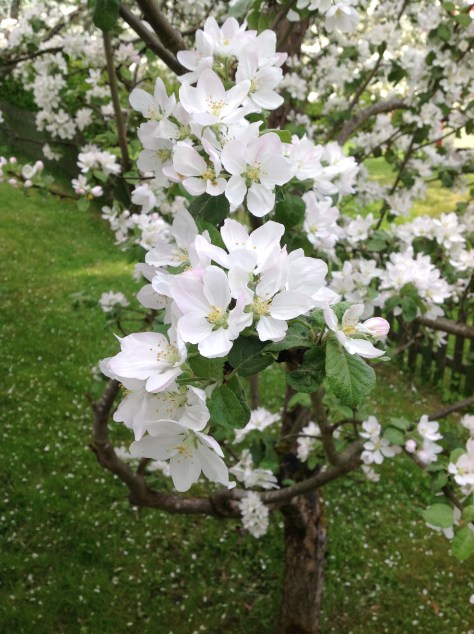
Apple Blossom

It’s not over yet, one more week to go before the Month of May has come to an end… It’s funny how this month is connected with an everlasting workload at work and a fantastic bloom everywhere I lay my eyes… Apple blossom, flowers, the scent of Lily of the Valley when I pass my neighbor’s garden…

In Sweden where I live, we have the wonderful Nordic Light to support us when we feel tired this time of the year. Somehow I don’t really get tired, but a workload of grading at school makes me exhausted to the limit of what I can take in my profession. I have however noticed as years pass by, that I always manage to hand in all the grades in time, send out the papers to the students and clean my desk at work before I leave for summer vacation.

Added this year is our moving to another building. The four teachers in my staff room are now packing up our things and that is a bit sad. We have had a nice time together.  Personally, I have enjoyed my current position and classroom, too. But honestly, I know that wherever I move with my teaching, I have always enjoyed it, once I’m settled in the new place. What I DO mind a bit is the disorganized chaos before everything is set…but I guess I’ll have to live with that for the time being. It’s just a matter of days…:)

One month from now, I’m already on summer vacation, thinking of the past school year, hopefully with both satisfaction and a bit of loss, just as always on a sunny summer’s day!

#klocka


Twohundred and Seventy-Third Asic- A World of Language Learning Starts in Your Computer

Londonbild 1_OLÅ

I’d like to share with you how learning can become interesting to young students if focus on learning derives from questions raised by the students rather than the teacher. I was teaching a mixed group of students in grade four and five in the Swedish compulsory school system. The students all had very few contacts with native speakers of English or with students from other countries. I wanted them to improve both their written an oral English and thought of different ways. It was in the middle of the annual summer vacation and as usual I spent time thinking of the coming school year. Isn’t that typical for a teacher? I know I’m not the only teacher who spends time planning for future teaching while their off of school.

Anyway, I thought of the idea of getting some kind of pen-pal for each and every one of my students. At this time I had just got my first personal computer through work and I wasn’t very familiar with how to use internet as a resource. I was therefore searching for different websites in order to find addresses to PEN-pals. It wasn’t until I came across the website http://www.epals.com with the very new word #epals, that I realized that PEN-pals were completely outdated! I was thinking like a dinosaur! Briefly, ePals is a website where teachers or students or for that matter teachers AND students can get in touch with each other in order to collaborate in different projects. It doesn’t have to be international projects, but in my case it was.

From the start I didn’t plan to collaborate at all with any American teachers. I was focused on the UK, since I was going to the UK in September in 2000. I spent a couple of hours reading different profiles in the ePals website and then I wrote my own profile. Already while I was browsing the site, I got a few mails in my inbox. There were two of them from American teachers and one of them was from a British teacher. They all seemed very nice, but since I was in a hurry to get my project going, I wrote to the British teacher, telling him about my plans to go to the UK and I also fired off my question about the two of us meeting each other to plan our future collaboration with our students. I wrote “Since I come to the UK in September, I hope we can meet and plan for our mutual project!” Then, since I was in a hurry and also because I know that teachers don’t like to spend time doing the wrong things, I wrote back to the two other teachers politely telling them that unfortunately I had already found a teacher in Britain whom I wanted to collaborate with and thus I didn’t need to write to them…

The “British” teacher replied to my email saying something like “It’s not that I don’t WANT to meet you, but how exactly did you think we could meet if you go to the UK and I live in New Jersey?”
Anyone who gets an email with that comment could have given up, but I’m not that kind of person. I wrote back. The “British” teacher wasn’t at all British and the REAL British teacher, whom I mistaken for being American, was of course already lost and gone, so what options did I have??? I started off brushing up my own English, by writing back and forth to this particular American teacher, who seemed to be a nice person already from the start. He was a teacher in a class in the same age span as my students, so after a few weeks of planning we started off writing emails between the two different schools.

At first, we instructed our own classes to write more general letters about themselves and share photos and details about the school system or what the school looked like. But gradually as the students got to know each other a little better, they started to ask their own questions and compared the learning situations in Sweden and New Jersey. My students, who were used to several breaks during school days, were shocked to notice that the students in the American school had fewer breaks and also lacked a nice lawn and a playing-ground at school. Outside the American school was instead a parking lot.

There were a lot of similar topics that gave students in both ends of our mutual collaboration a chance to challenge their language skills. In the American end students had a more cultural based viewpoint to our project, whereas in Sweden the focus was mainly on language and how to express oneself. One thing lead to another and the American teacher and I also visited each other’s schools and got the opportunity to see through teaching what it was like to teach in a completely different school setting than the one we were used to, respectively. I remember from MY teaching during one single day in the American school, that it was weird to be addressed Mrs Olenius. I also found it interesting to interact with the student in MY way, rather outspoken and joking, and notice how a few of the American TEACHERS frowned. It seemed to me as if they were taking their ROLE as teachers much more seriously than I do, which was interesting to note.

Later, my American friend visited me and my class in Sweden. He had brought with him a few interesting lessons to teach and one of them was in Physics, where he wanted to show the students how an American Hurricane builds up, by using two large bottles that he quickly moved in order to make it seem like a hurricane inside the bottles. An interesting thing with his experiment is the obvious difference between the ways we would do such an experiment and the way he did. He ended up getting eager students around him who wanted to do the experiment themselves, not just look at him doing it. In Sweden I’d say most teachers would give their students the opportunity to try out such an experiment by themselves. Another thing the American teacher probably noticed is that his usual reference to the famous Wizard of Oz didn’t work in Sweden. Why not?

A Swedish student in grade five generally wouldn’t know what kind of movie that is.
I’m happy to say that this American teacher and I have been friends for a long time now and thanks to him, I have learnt a lot about America that is more positive than I could ever imagine. Maybe it was meant to be that I mixed the American teacher with the British?

Vemvet

Two Hundred and Seventy-First Asic- If you give a Magpie a Cookie…

Mouse

Years ago when my oldest daughter was a couple of years old, she got this little book as a gift from one of my dearest friends in the USA. I was told by him that the story was very much appreciated by young children and along with the book my daughter also got a little stuffed animal in the shape of a mouse, dressed like the mouse on the cover of the book. The book is the kind of repeating story that children love to listen to and there are many other books similar to this in many other countries, for instance in Sweden where I live. We learn to love the stories, although adults tend to love the first few times we read them, while children seem to like them although it may be the hundredth time its read to them…

I was thinking of this book today, because the story about the little mouse who is likely to want more and more from the boy in the book, is acting like the magpie in my garden. I was sitting in my garden today, together with one of my friends. It was lovely weather and we enjoyed the sunshine after a days work. We were first right under the oak tree, but after a while when the sun was moving, we moved, too, since our bench was now in the shade. We left the set table with cookies and tea under the oak tree…but moved the bench to a spot where the sun was still warming.  Suddenly my friend said: ”Look! The magpie is stealing something from the table!”

To her surprise I was merely saying ”Oh!” in the same kind of voice we use for cute little animals we love, or for little children… I had to tell her that this was most likely ”my” magpie from the birds nest in my apple tree on the other side of our house… And my friend looked as if the next thing to say would be ”So?!” It turned out that we had different experiences from magpies and their behavior, but shared the point of view that they are pretty smart. I decided to give the magpie a cookie. But I didn’t act at once. Instead we chatted on and after a while the magpie returned for another try at the table… My friend commented that maybe It would be TOO much of an offer to give the magpie ALL my cookies, so then I clapped my hands and the magpie flew off again… After it was gone, I removed every cookie except one. I left it on the chair and my friend and I got back to our bench a few meters away to wait and see whether the magpie would dare to try and get the cookie… She did!
drömmarMy only disappointment was that the magpie flew off to a garden two houses off from mine…

Really?! I couldn’t believe I was feeding the wrong magpie!!!…and with freshly baked cookies, too!!

Now I only dread the rest of the story, because if you give a magpie a cookie, she will most certainly come back for a glass of milk…but when I give her the milk, she will ask for a straw…

More about my magpie experiences are found in this link:

http://wp.me/p4uFqc-1e

magpie #skata

Twohundred and Sixty-Fifth Asic- Fifteen Thousand Views

wordle_OLÅ_4

Today this blog reached 15,000 views!

Thanks for reading! 

Twohundred and sixty-first asic- Let’s Make a Rock Carving!

Many years ago I went on an excursion in the village Nyberget, Stora Skedvi, where my mum grew up. We climbed a mountain just outside the village and the view was magnificent. The striking view was however not the purpose of this excursion, but instead we had all come to see for ourselves how young people from way back when had found a lot more important things to do on Midsummer’s Eve than to sing ”Små grodorna” and dance round the May Pole…

Lövåsberget med omnejd_Stora Skedvi

The lecturer, Stig Welinder, a well-known archeologist who at that time lived in the village, shared both details about many of the couples and facts found in the many church archives from the actual time. In Sweden it is possible to track our ancestors several hundred years back in time and this was also what the archeologist had done, in detail. He could tell stories of families with happy or sad moments in their lives, all facts verified and found in public archives where anyone could have found pretty much the same information if only we had spent that time. Many of the young couples in the local area had climbed this very mountain on Midsummer’s Eve to enjoy the sunset together.  To remember the day, they carved their names in the rocks on top of the mountain and also planned for a future life together. The place was well-known in the nearby villages as ”Skrivarhällen”(Welinder, 1992) and not just the teenagers from one of the villages climbed the mountain, but also those who lived on the other side of the mountain, a bit further away.

The rock carvings can still be found, if you first climb the mountain! 😀

Among other things that Welinder shared with us in his lecture, was the nature of names in Dalarna at the time when the rock carvings were made.  But there were just a few different names that seemed to be popular, and a few names were just the same, so in order to know who was who, you needed to add the name of the farm, or place, such as Petter Danielson, On the Hill. His son would be named after his father, Daniel Pettersson + On the Hill, and his son in turn, would most likely be called Petter Danielsson+ On the Hill… For women, the use of daughter would be used instead of son.

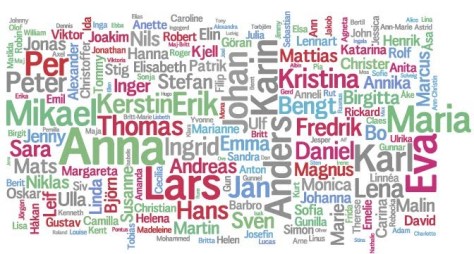
I would, for instance, have had the family name Dalkesdotter, since I am the daughter of Dalke. My brother would acoordingly have been called Dalkesson. During the 23 years I have been teaching I have noticed the change in naming. When I graduated in 1991, many of my first students had names that have been used in our country for generations. Boys names like Daniel, Peter, Mikael, Anders and girls names like Anna, Maria, Kristina, Helena, Ylva etc. But after a few years of teaching I noticed that many of the boys now rather had names like, Kevin, Justin, Jim, Tim, Tom and girls had names like Natalie, Felicia, Caroline, Nellie etc. Nowadays we find a lot of different names, a variation that can be connected to our complex world with input from not just the local area, but from other parts of the world.

namnbild.jpg (672×361)

My own name, Åsa, is from the time before Sweden was Christened and means ”goddess”. Very few little Åsa’s are to be found nowadays, but instead some of the names that I would connect to old relatives are coming up as new favourite names for kids. It’s funny how one sometimes hear parents call for their little ones and you expect a person in their seventies to approach behind a tree in the park, but instead a little toddler, called Bosse or Leif, will meet his Mom with a lovely smile!

toddlerRoundup-14.jpg (600×503)

My friend the archeologist from the mountain top is a very good example of being modern at the same time as he cherishes the value of how our ancestors chose to live their lives. What footprints or fingerprints will our generation leave? No mountains will be filled with names, but maybe we will share something else that is just as interesting and important? Let’s hope so!

Welinder, S (1992) on Skrivarhällen i southern Dalarna, Bergslagen, Sweden

Two hundred and thirtyeighth asic- Kids vs Dinosaurs at Natural History Museum

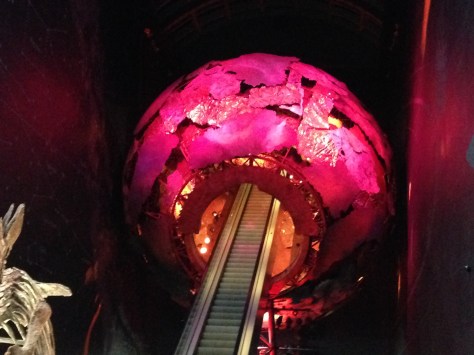
Journey to the Centre of the Earth

Journey to the Center of the Earth, just like in Jules Verne’s book…

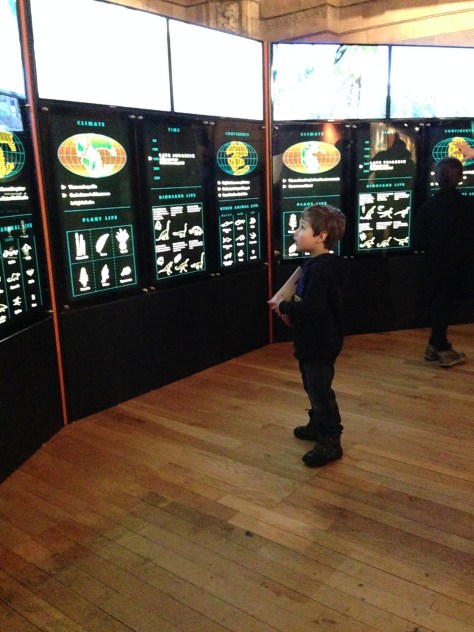
When entering the magnificant Natural History Museum in London, you virtually end up in the Center of the Earth… and when you reach the first floor you have a great opportunity to understand natural forces such as volcanoes and earthquakes and how rocks erode into pebbles and sand. When we walk through the many displays we comment on the fact that behind every single display hours and hours were spent in collecting facts, building suitable models by various materials, trying to explain to the visitors how things work… I think the very difficult topics in Natural History Museum were very well described and easily understood, both for adults and kids. That is a fantastic help for all the visiting teachers, since they can thus walk through the displays with their classes in a more relaxed way, trying to answer the many spontaneous questions they get from their students walking through . There were plenty of fantastic hands-on-displays and charts and maps of different kinds. A fantastic experience  for both teachers and students!

Oak leaves

Whatever adults think of dinosaurs, I know from my years of teaching young kids, that the long lost creatures are very popular for some reason. Why is that? I think one reason may be that they can be compared to the dragons we get to know through children’s stories and old fairy tales. Maybe kids also use their imagination more than we do and picture themselves walking around on earth at the same time as dinosaurs?

When visiting the Natural History Museum in London one thing that struck me was that it was crowded with kids…

Being a teacher off work among kids who learn is very interesting. I tend to follow closely behind trying to eavesdrop and also finding ways to see what they see…

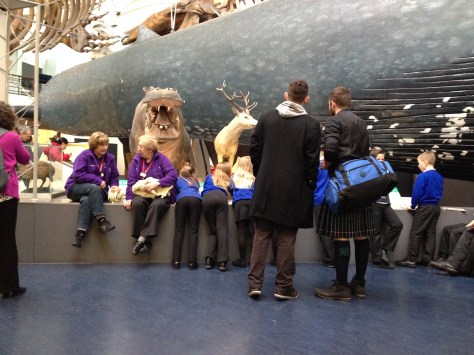
Young audience at Natural History Museum

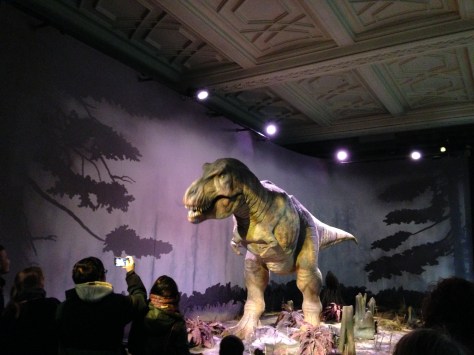
A dinosaur come's alive...

I remember twenty years ago when I taught an eight-year-old boy who told me all there was to know about dinosaurs. Despite his young age, he could hold a lecture about them, what they looked like, when they lived etc. I tried to keep up with him and borrowed books in the local library, but whatever I found there, was already known to him. I think books about dinosaurs may be the solution for some children’s reading problems… If they are eagerly trying to learn more about their favorite creatures, it may be more interesting for them to read an adapted fact book than to read anything else.

The very realistic looking dinosaurs at Natural History Museum serve the imagination and help many teachers, too, since they have a chance to explain very difficult things with the help of models and pictures and the many displays everywhere in the museum.

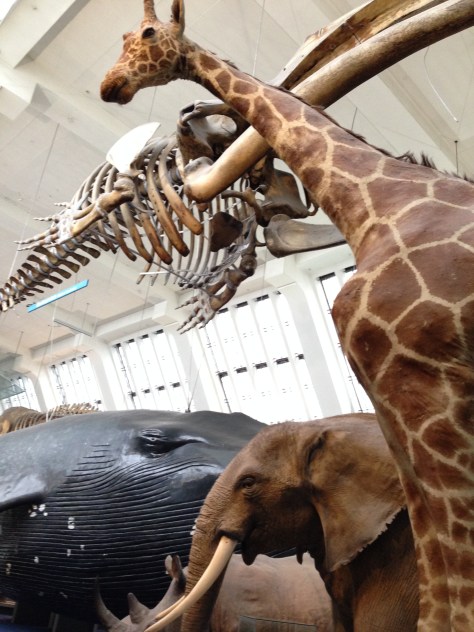
An area where we saw many students and teachers were where they kept the stuffed mammals.

A learning environment

A learning environment

Stuffed Mammals

Stuffed Mammals


Twohundred and thirty-fifth Asic- Billy Elliot- The Musical

Yesterday I was at Victoria Palace Theatre watching an incredibly well directed and well performed show. The Musical Billy Elliot is about a young boy from the mine districts in England, who is pushed by his father to join the local boxing club, but instead ends up taking ballet lessons. The musical has two different stories in one, as the setting is the miner’s strike from 1985 and Billy’s father is active in the strike.

Apart from a lot of singing and dancing on a magnificant level, the overall impression is that the two main characters, two young boys are extraordinary in their performances respectively. Talent and hard work may be the answer to why these two young boys show such high standard in both singing, dancing and performing in their speaking acts. Being a teacher, I can’t help but wondering how they manage their schooldays and what kind of lives they lead if they are up late every evening performing! The musical is amazing. There are so many acts that are beyond every expectation. The whole ensemble are very well rehearsed together and there are no mistakes made whatsoever. Every line is set, every song they sing are in tune and not just that, but amazingly well sung! I’m so impressed! ❤

Billy Elliot the show

Two hundred and thirty-fourth Asic- Long walks in London

Taking a walk in the forest leaves a certain feeling, as do a walk in a city like London. Oh how many things there are to see! There are of course a lot of things we would like to do quickly and then we’d most likely choose to catch a bus or maybe go by underground from one end of the city to the other. I do however prefer the long walks in London since they offer an experience where you actually get to see more of the city. Walking through Hyde Park an early morning gives an idea of London in earlier days when British society was different from what it is today. I mean, who would arrange such a lovely park nowadays? We all seem captured in the rapid life of IT and reluctant to go out IRL.IMG_00221

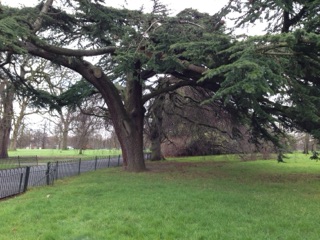
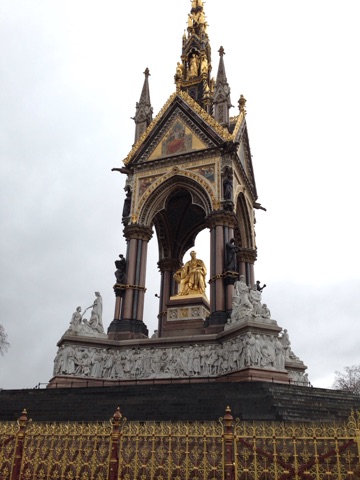
However taking that walk a very rainy day can be a true challenge. I bought a rain cap for my trip, knowing I might need to use it, but hoping for good luck with the London weather… träd 3Idegran i Hyde ParkI was however in a situation where the option was to end up soaking wet, or use the silly looking rain cap… so I used it…and I was happily dry after the rain… The walk past Albert Memorial on our way to Natural Science Museum and Victoria and Albert Museum was a nice stop, although the rain was pouring.


IMG_00231IMG_00241

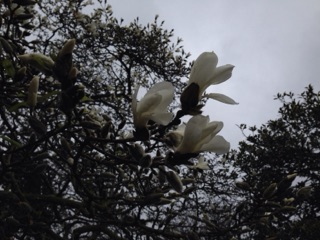
Hyde Park shows a variety of trees and bushes and trees in bloom. To come from the wintery Sweden and find magnolia in bloom is a great reward! I didn’t even mind the rain that moment!

Magnolia

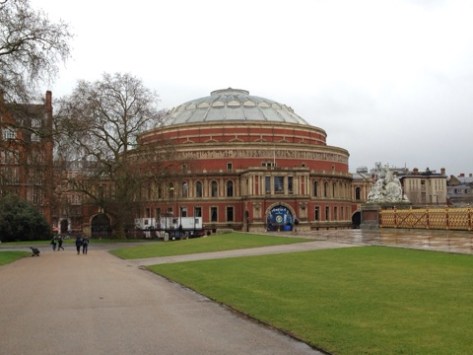
After spotting Albert Hall, we had just about ten minutes walk left until we could hide from the rain in Natural History Museum.

Albert Hall

The visit at the Museum was long enough for the rain to hold for a few minutes when we walked on to Victoria & Albert Museum. Both museums were interesting in many different ways and I guess I will need weeks to sort all my impressions from both visits. After a delicious lunch in Victoria & Albert Museum, we walked to Harrod’s to make sure the luxurious store was still standing… Honestly, after two Museums, a walk in the store and the rain…all together made my day and as early as seven o’clock we had our dinner and then returned to the hotel to relax. Walking is fun and you get to see a lot, but it’s also exhausting… I’ll share more pix here later when I get home and sort my photos properly.