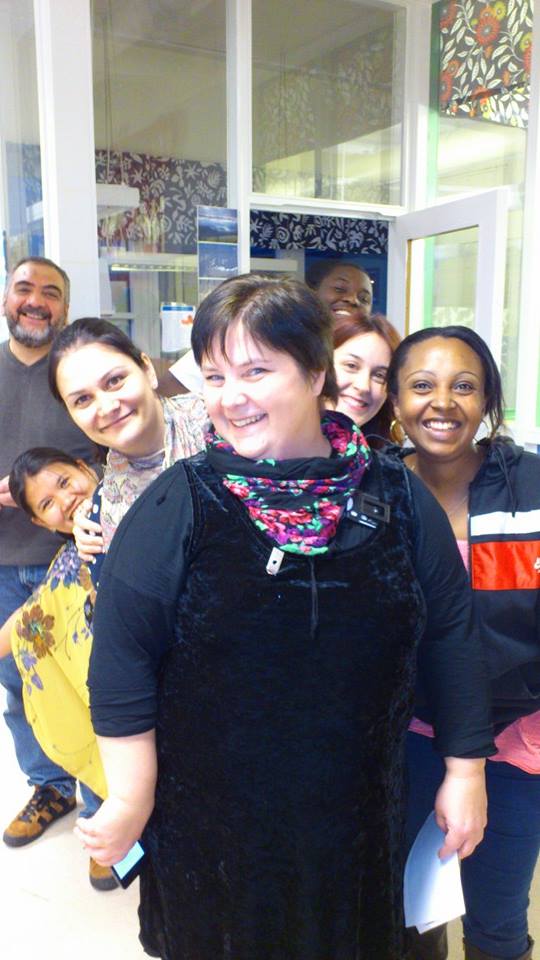
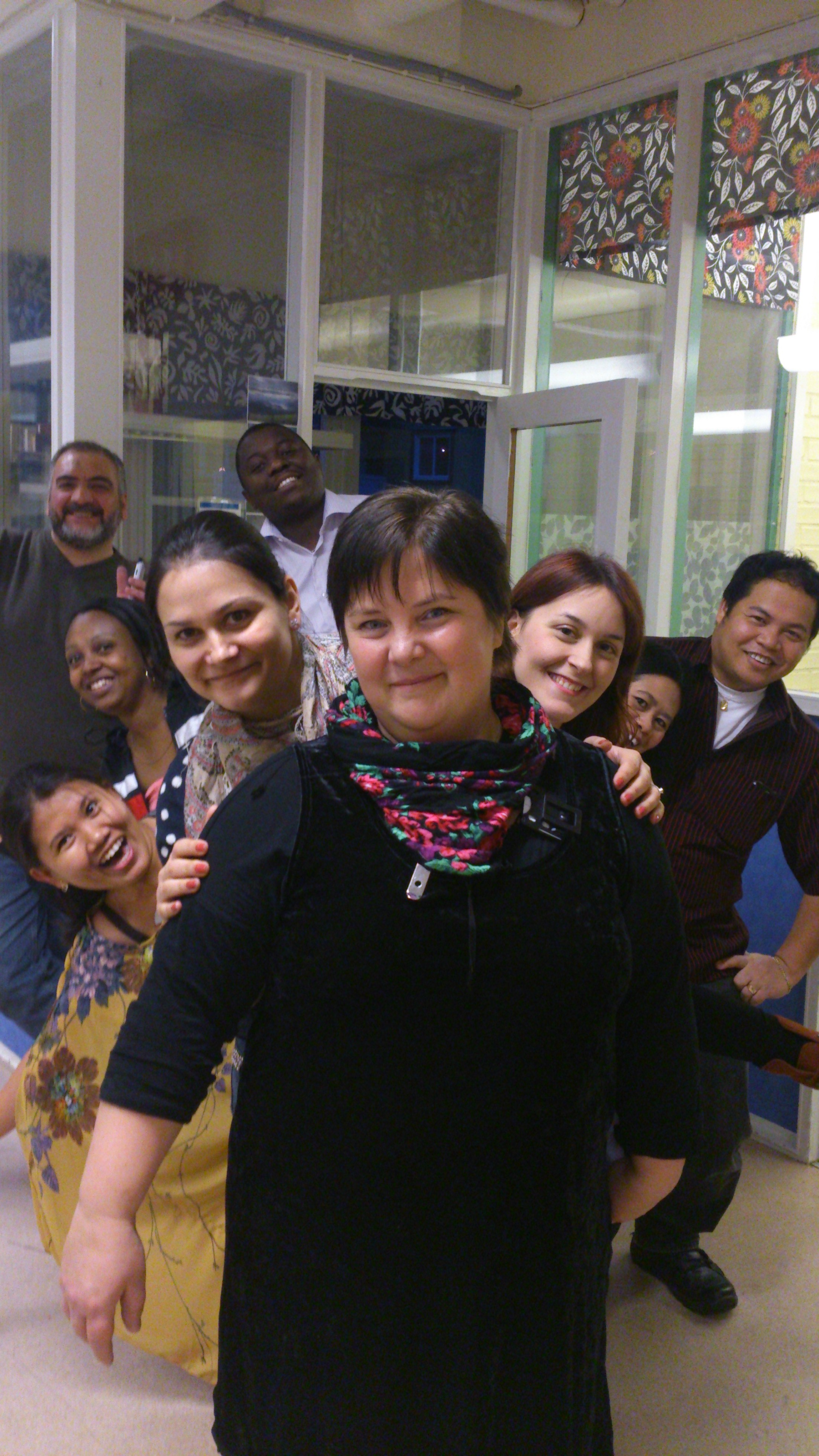
One hundred and thirtyeighth åsic- Teacher of the Year 2015

I had the great opportunity to share the everyday teaching life with a marvellous teacher, Cathy Jacobo. During my stay in NJ in October/November 2014, I experienced teaching and instructing from an American point of view. I am sure my visit had been less interesting without Cathy and I am so happy to share that she was awarded the title ”Teacher of the Year”!

IMG_3640

Congratulations, Cathy!! 

⇒For those of you who’d like to read about our adventures, please follow the links below! Please also note that there are no ”ninety-third” and ”ninety-fourth”, since those texts are written in Swedish… 🙂

The eightieth åsic- Sharing teaching experience with friends abroad or from abroad

The eighty-first åsic- Learning Among Friends

The eighty-second åsic- Second Day in an American Teacher’s Hectic World

The eighty-third åsic- Uppe med tuppen!- Being an early bird!

The eighty-fourth åsic- Fika as an ice-breaker is never wrong!

The eighty-fifth åsic- ”HALF & HALF” or Completely Wrong!

The eighty-sixth åsic- Höstlöv, höstlov, hostlov, Fall Break!

The eighty-ninth åsic- From Påskkärring to Tomten in Twenty

The ninetieth åsic- My New Favourite Tree

The ninety-first åsic- To help students understand and find connections is what teaching’s all about!

The ninety-second åsic- Being happy for having friends

The ninety-fifth åsic- The Yellow Wall and The Blue Wallpaper

One hundred and thirtysecond åsic- All Inspired by the Early Mornin´Rain

Earlier today I wrote a blogpost in Swedish about the colours of Christmas. To give a few examples of that I added a song we all know, i.e Blue Christmas with Elvis Presley. I didn’ t plan to actually play it myself, just to add it to the blog post. But accidentally I turned on the player and then I was hooked… So from then on I have been walking in memory lane with one of the most wonderful voices ever. Over the years I cannot say I have been listening all the time to Elvis Presley, but I would be true if I’d say I never lost the feeling for some of the songs either. When I was ten years old and Elvis died, I asked my Dad for an album with Elvis for Christmas. He bought the Golden record from a concert in Canada. My fave song was this one, although here I found the Nashville edition:


in October 2014 I had the opportunity to find out what it might be like to be very close to Elvis, in Nashville, because one of my teaching friends in NJ talked about how she left NJ for Nashville. We spoke for a long time about Elvis’ music and about our favourite songs. We had one thing in common. We both enjoyed the gospel songs and also the latest recordings. How Great Thou Art is originally written as a Swedish hymn and it is often sung in funerals, Oh Store Gud. It is recorded many times, but one of the best is this one, in my opinion, mainly because the singer Christer Sjögren admires Elvis Presley and thus is a great performer of his songs in general. This time however, it is the Swedish version. Can you speak Swedish? If not… what if you can sing it??? 😉

But whatever Elvis did, he was copied by others and some of them are very nice singers, too, one of them is again a Swedish man, called Henrik Åberg who has admired Elvis Presley for a long time and manages very well to get close to Elvis’ sound:

But it doesn’t necessarily need to be a man, to sing Elvis songs. Carola is one of few Swedish female singers who keep coming back to old Elvis songs particularly because she loves them, but also because Elvis was her late father’s most appreciated choice of music. I think many of her recordings of Elvis’songs are very well performed and can stand the comparison with other wellknown singers worldwide. Do you agree?

One hundred and twentyseventh åsic- The Grinch vs Tomten

how-the-grinch-stole-christmas-post1.jpg (847×1196)

Many years ago, a friend from Canada visited us and we started to talk about different traditions that we couldn’t live without. The Canadian friend mentioned that The Grinch would be such a tradition for him. In October when I visited a school in NJ, I noticed that many of the kids wanted to learn more about Swedish Christmas traditions and what TV-shows we most typically would watch on Christmas Day. First of all, I needed to tell them that Christmas Day isn’t really the big thing here, although we all know about Jesus… Instead most of us do most of our celebration on Christmas Eve and regarding TV-shows I told the American kids about our tradition of watching a Walt Disney show with Donald Duck and his friends. Some of the kids I met in NJ asked how come, but that’s a long story.

More fun was to notice that they all were astonished when I said kids in Sweden actually MEET Santa (called Tomten in Swedish). He doesn’t just drop things through the chimney or come during the night to put gifts under the Christmas tree. Instead he comes knocking the door, asking whether all the kids were kind or not… Every kid yells YESSSSSSSS!!!!!!!!!!! and Tomten comes in to give his gifts from a large sack. But what if he doesn’t come? the American kids wanted to know… He does, I said. I then said that since he comes on Christmas Eve in our homes and he is offered plenty of rice porridge and saffron buns, he will for sure be a lot bigger when he arrives in Americe, because Tomten isn’t at all a fat and tall man, saying Ho ho ho! He wears clothes that is more close to the outfit the Grinch has in the above picture… The idea is for the people in the house, to be kind in general and also to be good to each other. Then Tomten will be kind, too, but if any child is naughty, Tomten will for sure not at all be kind! So, beware of Tomten… Apart from the Disney show we can also watch a more traditional show, more solemn and quiet with a whole lot of wintery feeling. Viktor Rydberg wrote a long poem, called Tomten. A famous Swedish writer, Torgny Lindgren reads with great passion and the lovely paintings are made by Harald Wiberg. Suppose you have never heard Swedish before… Then take this advantage and listen to a poem that is like a fairy tale…

Etthundratjugosjätte åseriet- ”lalalalaLA”

10678732_10203235915394516_4908479519554800975_nDet har alltid fascinerat mig  vad som kan hända när man inte är med och ser… Den  instruktion jag fick för detta foto var ”stå bara här och titta på mig”. Sedan märkte jag hur alla bakom mig flyttade hit och dit och grejade med något… Först var det lite si och så med resultatet… Men, sedan fick de till det! 

 

JULAVSLUTNING SAS, VBU, LUDVIKA

Det blir ju helt uppenbart att åldern på eleverna är fullständigt ointressant när det kommer till bus!


I mitt fall så är det nog så att jag får skylla mig själv om de busar med mig, för jag busar väldigt ofta med dem. Med humor blir livet mycket roligare och om man ska lära sig ett nytt språk, så hjälper det med humor. Förra veckan hade jag gett eleverna i läxa att plugga hemma på tio olika dialoger. Igår på vår avslutning, så var det några av dem som på skoj föll in i de där dialogerna med varandra och medvetet raljerade de med hur jag brukar låta när jag läser före… Sådant skoj ÄLSKAR jag!

I höstas när jag var i USA, så var jag ganska mycket i det klassrum där läraren som var min värdinna jobbade. De elever som hade det klassrummet som hemklassrum återkom ofta dit för att småprata med mig ibland. Inför den dag då jag och C skulle åka till Atlantic City, så hade vi en genomgång med hennes vikarie om vad som skulle göras i klassen medan hon var borta. Nästa morgon när vi kom till klassrummet, så hade vikarien gjort allt på listan, men han hade också låtit eleverna skriva på en white board. Där hade de samlat ihop ”citat” som C brukade yttra.

Alla elever som suttit i ett klassrum dag efter dag (i vissa fall år efter år…), lär känna sina lärare på ett sätt som inte alltid är till lärarens fördel. Under min egen skoltid hade jag t ex en lärare som hade en nyckelknippa i ena handen. Han slamrade med den där när han gick runt i klassrummets främre del, men när han kom till sin slutsats i ett resonemang, så lät han handen omsluta nyckelknippan, så att slamret slutade abrupt. Jag minns att jag många gånger undrade om han hade tänkt ut att vi skulle sitta som trollbundna av nyckelknippan, för han måste ju ha förstått att risken var stor att vi skulle ha bättre koll på den än på vad han faktiskt sa i ämnet! En annan lärare började alla sina yttranden med ett långdraget och ganska basigt ööööööÖÖÖÖÖÖÖÖ, som sjöng uppåt rent melodiskt mot slutet, vilket vi också lärde oss att härma på rasterna förstås…

För egen del är jag säkert också en sådan lärare som man snabbt kollar in och kan härma lätt, men då bjuder jag på det. Mina barn brukar störa sig på att jag ibland gör några pinsamma dansrörelser och varje gång det händer hemma, så brukar de utbrista;

GÖR du så där i ditt KLASSRUM också???? Stackars dina elever!!!! Det är SÅÅÅÅ pinsamt!!!

Självklart gör jag ju de larviga dansstegen i klassrummet… Det är ibland nödvändigt att ta till extraordinära metoder för att få med en klass i ett resonemang… Sjunga, dansa, eller ta i från tårna och SKRIKA om man vill illustrera något, fungerar bra. Det gör även ”kasta penna” eller ”slänga bok”, så länge man inte träffar huvudet på någon elev, förstås…

I talad svenska säger jag alltför många ”liksom”. Det blir liksom så att jag liksom stoppar in ett liksom där det liksom passar att man säger liksom, liksom. Självklart är det störande för lyssnaren, men det är också svårt att träna bort. Jag känner till att jag överanvänder liksom. Men det som hände i NJ är något som jag då, vid det tillfället faktiskt inte kände till om mig själv.

Tydligen är det så att jag både på svenska och när jag pratar engelska, säger ”lalalalaLA” för att uttrycka att något ”fortsätter” på samma sätt. Man skulle kunna använda uttryck som ”och så vidare” eller ”etcetera” eller kanske säga det mer vedertagna ”bla bla bla” på svenska eller ”ladida” på engelska, men jag säger alltså ”lalalalaLA” i dessa situationer… Eleverna hade snappat upp det och valt att citera mig på det sättet. Nu är det så med mig, att jag i likhet med väldigt många av mina medmänniskor är medveten om en del saker som jag gör, medan annat är sådant som andra märker men inte jag själv. Har man läst lite psykologi, så kommer man säkert ihåg Johari fönster, en psykologisk modell som handlar om hur vi kommunicerar, människor emellan. Vill du uppdatera dig eller förstå principen på djupet, kan du t ex börja med att läsa länken i min källhänvisning (1). I en starkt förenklad version kan man säga att Johari fönster har följande innehåll:

johari_fonster_200.jpg (200×177)

Åter till klassrummet i NJ, USA. Vi stod alltså dagen efter resan till AC framför den där tavlan där eleverna hade klottrat alla sina citat. Mitt ibland citat som C var bekant med och kunde både fnissa åt och härleda till sina arbetskamrater på skolan, fanns alltså en för henne obekant liten utsaga: ”lalalalaLA”

Jag tittade på alla de klottrade anteckningarna, precis så som C gjorde. Plötsligt började hon skratta och pekade på just ”lalalalaLA” och sa, ”It’s YOU, Åsa!” Jag var fortfarande inte alls med på noterna. Hon förklarade att hon hade noterat att jag brukade säga så när jag berättade olika saker. Ändå trillade inte poletten ner. Vadå ”lalalalaLA”???? undrade jag. Hon blev tvungen att berätta en låtsasanekdot och slänga på ett ”lalalalaLA” i slutet, för att jag skulle känna igen mig och inse att jag faktiskt brukade säga så. För dem av er som känner mig personligen, så tänker ni kanske nu:

”Men?! Hur kan det vara möjligt att hon inte själv har märkt det???”

Ja… Det kan man ju undra, men jag tror för min del att joharis fönster kan svara på frågan och att teorin bakom kan äga sin riktighet rent allmänt, även om det rör sig om en teori… Åtminstone för min egen del är det så att vissa saker som jag inte själv har märkt, får jag mig skrivet på näsan av andra som har lagt märke till dem. Tur att man har vänner som påpekar ens tillkortakommanden! Slutligen, på samma tema, ett litet boktips! Britt-Marie, ni vet grannen som gjorde livet till en pina för flickan i boken ”Min mormor hälsar och säger förlåt” har nu fått en helt egen bok… och vilken bok det är! Jag är så tacksam över att inte jobba på Arbetsförmedlingen där Britt-Marie är och söker jobb! Hon är verkligen OTROLIGT omedveten om hur omgivningen känner när hon kommenterar dem i alla lägen. Men KUL är det! Boken heter ”Britt-Marie var här” och är skriven av Fredrik Backman. Vad han själv skriver om den kan du läsa här:

Reklam om en bok. Nu igen.

Hur pinsam man är, eller hur mycket man själv vet om hur man uppfattas av andra är spännande, men också ganska läskigt. Jag hade en klok rektor på en skola där jag jobbade tidigare. Jag hade gjort något som var lite av karaktären ”Jantelagsvarning” och gick till rektorn för att berätta att jag oroade mig för hur andra på skolan skulle tänka om detta. Han svarade: Vet du, Åsa? Om jag skulle gå omkring och oroa mig för vad folk tyckte bakom ryggen på mig, så skulle jag inte göra annat. Försök att fokusera på det som du tycker är rätt och riktigt.

Jag tycker fortfarande att hans inställning till livet är klok. Mycket klok! Därför tänker jag fortsätta tänka att jag inte måste vända mig om och tjuvkika när någon har något för sig bakom ryggen på mig. För tänk om det enbart rör sig om lite bus, som eleverna gjorde igår…? Det måste man bjuda på, tycker jag!


(1) http://sv.wikipedia.org/wiki/Joharif%C3%B6nster

One hundred and fourth åsic- To choose or not to choose is the question

148948_63610672.jpg (475×356)

When I was in NJ a couple of weeks ago I noticed that I am not very good at choosing and find myself ambivalent and indecisive, If there are a lot of options. At least when it comes to choosing food from a menu… 😀

I wonder if I possibly have inherited this from my daughter? We are just the same when we are in a situation of choice. If we get stuck, we do however have different solutions to our problem. My daughter would most likely go for a choice similar to some of her friends, and thus avoid the risk of feeling her own choice was in any way bad. I, myself, on the other hand, sometimes want to follow the stream, not be the one to be a nuisance to others. SO although we both may do as others do, we seem to do so for completely different reasons. We also both tend to pick ”both” when it may be difficult to pick ”either…or”…

One of my friends have decided for herself to give herself a kind of punishment if she cannot make a decision when she is picking something for her (fika)coffee. If she cannot make up her mind about what nice pastry to choose, she simply says: ”En kanelbulle, tack!” (A cinnamon bun, please!). I remember many different situations when this friend and I have lined up to buy a cup of coffee and she and I both try hard to make a decision, but when it’s our turn at the check-out, we realize that it’s impossible… Luckily a cinnamon bun is a great treat along with a cup of coffee!

kanelbullar2_2352.jpg (3648×2736)

But…what if my reluctance to make a choice is the very reason why I find it so difficult to be decisive in my classroom, too? The Swedish School System allows a lot of democratic processes for students to be involved in. We are supposed to engage our students in decision-making and students have a right to make an impact and be active in evaluating their school situation from many different perspectives. I don’t mind that situation at all… In fact I enjoy being interactive with my students in order to develop the learning process from year to year. Having said that, I also notice that Swedish students tend to be used to this collaboration with their teachers and they are also interested in sharing their opinion, suggest possible improvements to instruction or lessons, but my current students from different parts of the world seem more or less new to the idea of sharing their ideas and views.

I remember a lesson I had planned for a group of SVA3, where the students were all supposed to act and also to reveal a certain personality in a dialogue with friends. I had hoped for the group to pick a card with a personality and then ”go for it”, but obviously they were all worried about the situation and thought it was a better idea if I handed out the cards and thus made the choice more of a ”random” situation. After the activity I asked the students why they didn’t want to take part in the process of choice and they all said that they thought it was scary and unusual to decide for themselves in a school situation. It didn’t matter that they were all adults. They were all facing their old school situations where teachers make decisions and students do as they are told.

Centralskolan-en-skola-foer-alla_large.jpg (470×313)

Is there a difference between situations where one wants to choose or not? I don’t know if that would be universal, but I think from my point of view that when the decision is important to me FOR REAL, then I don’t give away my chance to choose voluntarily, but if there is no real and deep meaning to me personally, then I don’t mind letting someone else pick a choice of their taste. That is also why I completely trusted my friends when we decided what food to buy when I was in the US a couple of weeks ago. I trusted their taste and I didn’t want to be a pain…so instead of making a decision they wouldn’t appreciate, I’d rather let them choose. I guess we are all different. I notice that I am a person with a ”decision disorder” 😀

So… To choose or not to choose, will also in the future be the most important question, in every situation there is.