The eightyninth åsic- From Påskkärring to Tomten in Twenty Minutes!

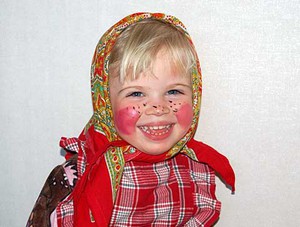
I have had another interesting day in Pitman Middle School filled with interaction with students and teachers. Today’s topic was a bit different from the other days, since one of the students wanted to know how we celebrated Halloween. I quickly commented on that, but then I shared photos of the tradition from Easter Thursday which is more like the American ”trick or treat” than anything else in our tradition. Kids dress out as witches, but not EVIL witches. They are supposed to be more CUTE than evil or ugly. A påskkärring is supposed to be a witch soon going off to ”Blåkulla” on her broomstick. The idea for the kids is to draw or write nice cards saying ”Happy Easter” and then walk from door to door with these greetings. If they are lucky people give them a little treat in return, but there is NO tricking…just the treat… They will keep the collected treats either in an old coffeepot or in a basket.
inbjudning-8-300x232.jpg (300×232)

I then got the question whether there were any other Holidays I would like to mention. I picked Midsummer, since that may be interesting if you haven’t experienced it. First of all, Midsummer is a fantastic time of the year anywhere in Sweden, thanks to the Nordic light, but in the Northern part of Sweden the sun doesn’t set at all for a couple of days, which gives your summer’s night a magic touch. Midsummer can be celebrated in many ways, but traditionally we would gather to raise a maypole covered with leaves and flowers and then dance round the maypole, both old and young. One of the most popular song has very easy lyrics and we all sang it as kids. It is called ”Små grodorna” which means ”The little frogs”.

It is said about Midsummer that you dream of your spouse to be if you gather seven flowers and jump over seven fences. But you have to be quiet if you don’t want to break the spell! You pick the flowers, put them under your pillow and in your dream you will meet the very person who will be your husband or wife. 

HVT26Midsommarmat.jpg (510×571)torsdag+011.jpg (320×240)

Suddenly someone wanted to know whether it was true that our Santa Claus doesn’t look quite like the American… so then we talked for a while about Tomten and the tradition of celebrating Christmas on Christmas Eve rather than  on Christmas Day.

20772452-origpic-bc1600.png (393×381)

I was happy to have a computer to use to show pictures and talk about different details and finally I shared what TV-show most families watch on Christmas Eve. Kalle Ankas julafton… Donald Duck!

Glad påsk! (= Happy Easter)

Glad midsommar! (= Happy Midsummer’s Eve!)

God Jul! (=Merry Christmas)

Etthundratrettioförsta åseriet- En färgglad ledighet önskar jag dig!

11241.jpg (378×456)

Förra julen hade jag anledning att tillsammans med mina dåvarande elever diskutera de många färger som finns inblandade i vårt julfirande utan att vi närmare kommenterar uttryckens egentliga betydelse. Nu menar jag faktiskt först och främst på det lingvistiska planet. Jag fascineras av ord och deras betydelse och speciellt intressant tycker jag att det är när det blir tvetydigt, för just den typen av uttryck får jag flest frågor om från elever i mitt klassrum. Vi går ut lite lätt här, med sakernas tillstånd här i Ludvika… Det är en grön jul! För mig och just i år, så innebär det att julen är snöfri. Det är ganska logiskt. Men om man är en person som är rabiat motståndare till djurförsök eller kanske av religiösa eller etiska skäl tycker att det är fel att slakta djur, så kan ju en grön jul snarare innebära att den är vegetarisk. Någon annan skulle kanske hävda att om man genomgående satsar på att hålla sig hemma på hemadressen i stället för att flyga till Thailand, äta nyckelhålsmärkt närproducerat, värma sig med en kofta i stället för att elda i oljepannan firar just en grön jul…för att man värnar om miljön. Många satsar på gran, en äkta…grön… Den vita julen är för den ena personen länkad till mängden snö. Men för sällskapet Länkarna går kopplingen snarare till att medverka till att så många som möjligt får uppleva en alkoholfri jul. För mig personligen, så finns det en tredje betydelse! Jag har hemma hos mig en ganska omfattande blandning av färger och träslag och mönster, men där jag ska fira jul i år, är färgskalan ganska begränsad och vitt är den mest framträdande färgen av dem alla. Vitt är inte så färglöst som det verkar om jag tänker på hur det ser ut i det hemmet. De hade ljust och fräscht långt innan #Scyffert och #Lindström gjorde pengar på att snacka om det på en scen.

LJUST_%7E1.PNG (636×900)

Om vi pratar om julrött eller tomterött, så vet de flesta vilka kulörer vi menar. När vi säger att det kommer att bli en svart jul, så har vi troligen sett på nyheterna om någon tragisk olycka med dödlig utgång eller kanske en storm slog ut elen, så att vi inte kunde tända lamporna?A Blue Christmas är kopplad till Elvis Presley och jag anser att det inte finns någon vettig motsvarighet till det uttrycket i svenska språket som innehåller en färg.

Oavsett vilken färg du föredrar eller om du firar jul eller inte, så hoppas jag att du får en välförtjänt ledighet där du kan hämta kraft och inspiration så att det nya året, 2015 blir ditt bästa någonsin!

One hundred and twentyseventh åsic- The Grinch vs Tomten

how-the-grinch-stole-christmas-post1.jpg (847×1196)

Many years ago, a friend from Canada visited us and we started to talk about different traditions that we couldn’t live without. The Canadian friend mentioned that The Grinch would be such a tradition for him. In October when I visited a school in NJ, I noticed that many of the kids wanted to learn more about Swedish Christmas traditions and what TV-shows we most typically would watch on Christmas Day. First of all, I needed to tell them that Christmas Day isn’t really the big thing here, although we all know about Jesus… Instead most of us do most of our celebration on Christmas Eve and regarding TV-shows I told the American kids about our tradition of watching a Walt Disney show with Donald Duck and his friends. Some of the kids I met in NJ asked how come, but that’s a long story.

More fun was to notice that they all were astonished when I said kids in Sweden actually MEET Santa (called Tomten in Swedish). He doesn’t just drop things through the chimney or come during the night to put gifts under the Christmas tree. Instead he comes knocking the door, asking whether all the kids were kind or not… Every kid yells YESSSSSSSS!!!!!!!!!!! and Tomten comes in to give his gifts from a large sack. But what if he doesn’t come? the American kids wanted to know… He does, I said. I then said that since he comes on Christmas Eve in our homes and he is offered plenty of rice porridge and saffron buns, he will for sure be a lot bigger when he arrives in Americe, because Tomten isn’t at all a fat and tall man, saying Ho ho ho! He wears clothes that is more close to the outfit the Grinch has in the above picture… The idea is for the people in the house, to be kind in general and also to be good to each other. Then Tomten will be kind, too, but if any child is naughty, Tomten will for sure not at all be kind! So, beware of Tomten… Apart from the Disney show we can also watch a more traditional show, more solemn and quiet with a whole lot of wintery feeling. Viktor Rydberg wrote a long poem, called Tomten. A famous Swedish writer, Torgny Lindgren reads with great passion and the lovely paintings are made by Harald Wiberg. Suppose you have never heard Swedish before… Then take this advantage and listen to a poem that is like a fairy tale…

Hundrasextonde åseriet- Ja må hon leva uti hundrade år!

När barnen var små så hade vi barnkalas hemma på Björkås, med vänners barn och med dagiskompisar. Jag och Anders brukade planera, baka, laga mat och fixa lång tid i förväg. När den stora dagen äntligen kom, så var det ungefär att jämställa med en explosion eller en orkan och ingenting gick att påverka, det bara snurrade på i ett komplett kaos med hög ljudvolym. Alla tittade på de Braatz, Barbiedockor och tjusiga accessoarer som man funnit i de fina paketen och massor av:

Men åååååååååååå! Vilken fiiiiiiiiiiiiiiiiiiiiiiiin! 

eller

Mäh!!! En sådan fick jag ju nyss i DET paketet!

eller

Va?! HUR visste du att jag önskade en SÅN!”  

(för att du sagt det tusen gånger och skrivit en miljon lappar, älskling!)

…och  Ibland spelades dessutom någon CD som barnet fått i födelsedagspresent, för att alla skulle få höra någon viss låt… När den snurrade för tionde varvet kunde man texten och alla rörelserna:

Hela huset blev en kakafoni av barnskratt och röster Aqua på stereon och springande ben och presentsnören som man snurrade in fötterna i. Dessutom hade ju jättemånga barn ”mamma eller pappa med sig” så kalasandet var ett stort evenemang med många i huset… Vissa traditionella lekar från när jag själv var liten, fick barnen också ägna sig åt, som sätta svansen på grisen eller gömma nyckel eller kurragömma. Alltid avslutade vi med fiskdamm…

Men även om vi hade jättekul när vi fixade till de där barnkalasen till båda döttrarna, så är det skönt när deras dagar numera firas under lugnare omständigheter. Jag minns speciellt en gång när Kajsa var liten och 16 lika små barn lämnade vårt hus efter ett kalas som hade varat i två timmar. Jag och Anders satt fullständigt utpumpade i köket och tittade på varandra och sa: Det blir skönt när de blir äldre! Ja! Så ÄR det! Skönt! 

rosablommor1.JPG (379×284)

One hundred and sixth åsic- What’s your name? Let’s make a rock carving!

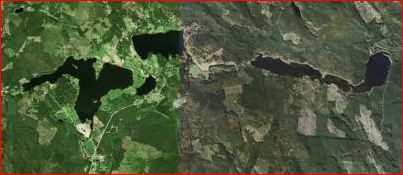
Many years ago I went on an excursion in the village Nyberget, Stora Skedvi, where my mum grew up. We climbed a mountain just outside the village and the view was magnificent. The striking view was however not the purpose of this excursion, but instead we had all come to see for ourselves how young people from way back when had found a lot more important things to do on Midsummer’s Eve than to sing ”Små grodorna” and dance round the May Pole…

Lövåsberget med omnejd_Stora Skedvi

The lecturer, Stig Welinder, a well-known archeologist who at that time lived in the village, shared both details about many of the couples and facts found in the many church archives from the actual time. In Sweden it is possible to track our ancestors several hundred years back in time and this was also what the archeologist had done, in detail. He could tell stories of families with happy or sad moments in their lives, all facts verified and found in public archives where anyone could have found pretty much the same information if only we had spent that time. Many of the young couples in the local area had climbed this very mountain on Midsummer’s Eve to enjoy the sunset together.  To remember the day, they carved their names in the rocks on top of the mountain and also planned for a future life together. The place was well-known in the nearby villages as ”Skrivarhällen”(Welinder, 1992) and not just the teenagers from one of the villages climbed the mountain, but also those who lived on the other side of the mountain, a bit further away.

The rock carvings can still be found, if you first climb the mountain! 😀

Among other things that Welinder shared with us in his lecture, was the nature of names in Dalarna at the time when the rock carvings were made.  But there were just a few different names that seemed to be popular, and a few names were just the same, so in order to know who was who, you needed to add the name of the farm, or place, such as Petter Danielson, On the Hill. His son would be named after his father, Daniel Pettersson + On the Hill, and his son in turn, would most likely be called Petter Danielsson+ On the Hill… For women, the use of daughter would be used instead of son.

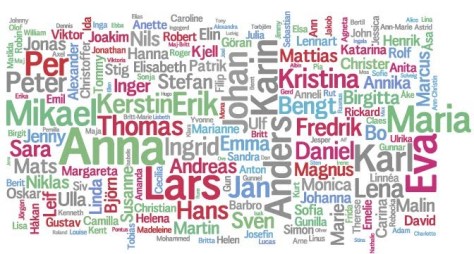
I would, for instance, have had the family name Dalkesdotter, since I am the daughter of Dalke. My brother would acoordingly have been called Dalkesson. During the 23 years I have been teaching I have noticed the change in naming. When I graduated in 1991, many of my first students had names that have been used in our country for generations. Boys names like Daniel, Peter, Mikael, Anders and girls names like Anna, Maria, Kristina, Helena, Ylva etc. But after a few years of teaching I noticed that many of the boys now rather had names like, Kevin, Justin, Jim, Tim, Tom and girls had names like Natalie, Felicia, Caroline, Nellie etc. Nowadays we find a lot of different names, a variation that can be connected to our complex world with input from not just the local area, but from other parts of the world.

namnbild.jpg (672×361)

My own name, Åsa, is from the time before Sweden was Christened and means ”goddess”. Very few little Åsa’s are to be found nowadays, but instead some of the names that I would connect to old relatives are coming up as new favourite names for kids. It’s funny how one sometimes hear parents call for their little ones and you expect a person in their seventies to approach behind a tree in the park, but instead a little toddler, called Bosse or Leif, will meet his Mom with a lovely smile!

toddlerRoundup-14.jpg (600×503)

My friend the archeologist from the mountain top is a very good example of being modern at the same time as he cherishes the value of how our ancestors chose to live their lives. What footprints or fingerprints will our generation leave? No mountains will be filled with names, but maybe we will share something else that is just as interesting and important? Let’s hope so!

Welinder, S (1992) on Skrivarhällen i southern Dalarna, Bergslagen, Sweden